Extended Warranty vs Brand Warranty for Phones in India: What Is Covered and When to Pay Extra
Every new phone in India comes with a one-year brand warranty, yet the sales counter will almost always pitch an extended warranty or protection plan on top of it. This guide explains what each one actually covers, the exclusions that get claims rejected, how brand-official plans differ from third-party ones, and when the extra premium is genuinely worth paying.
Top picks
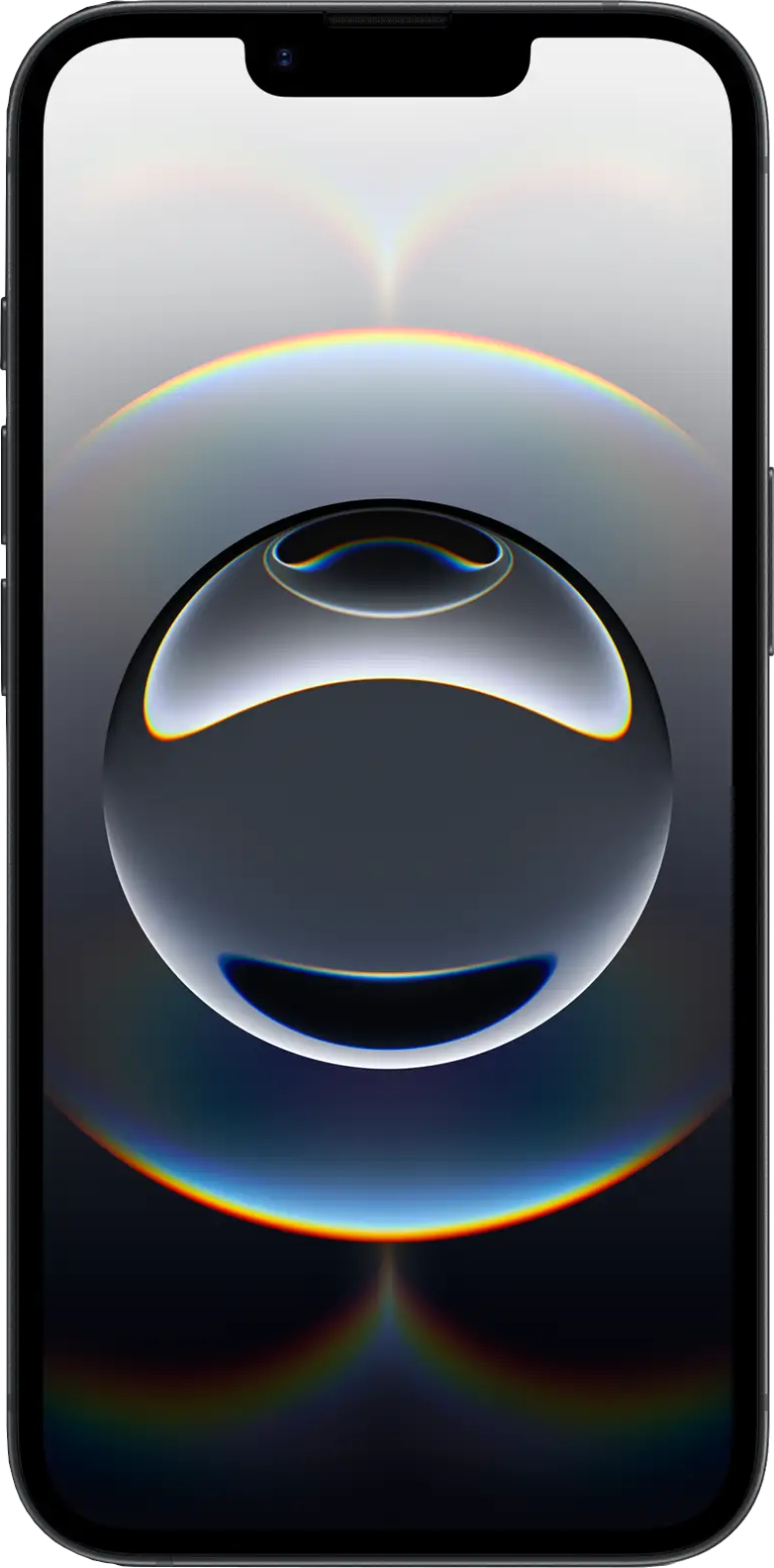
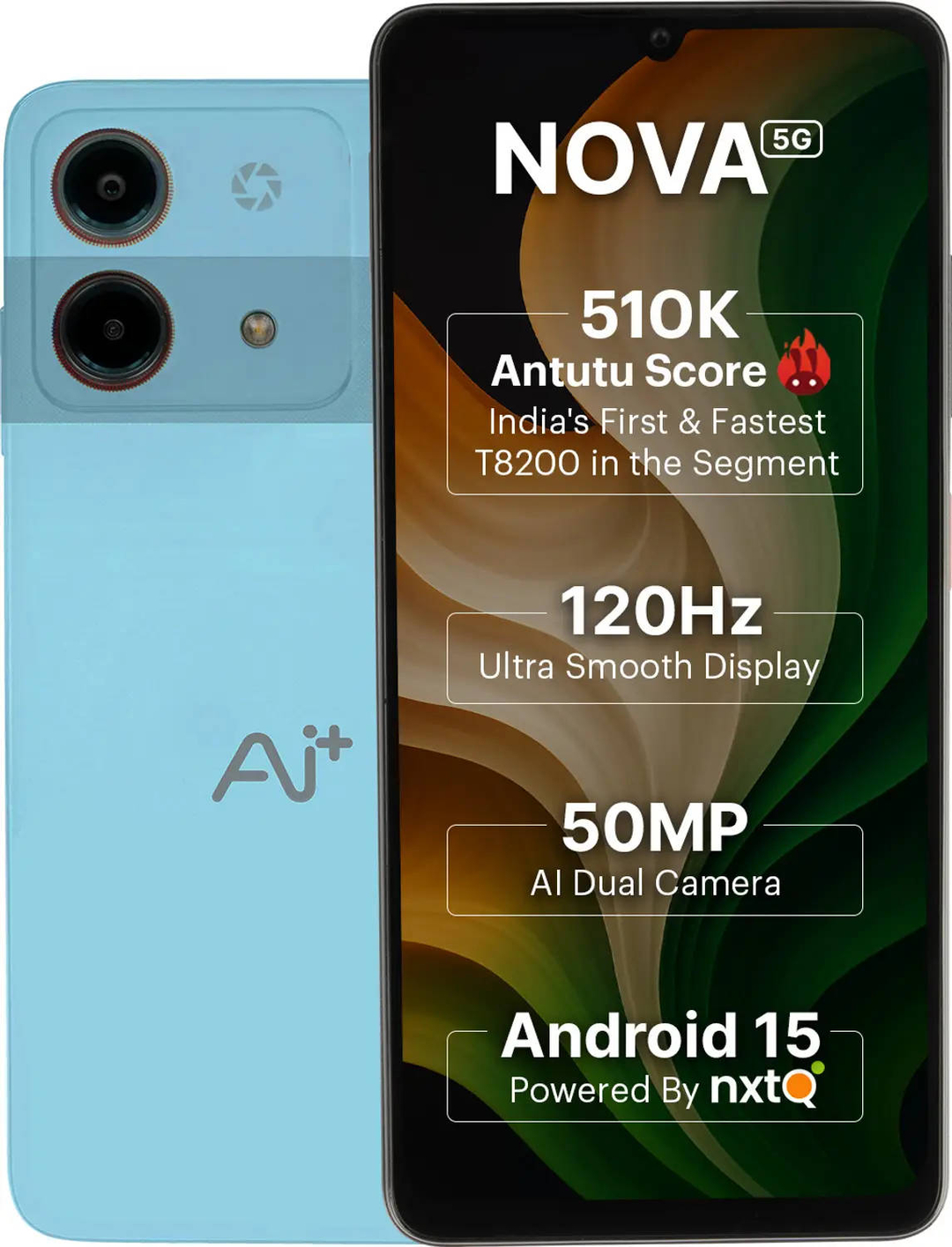
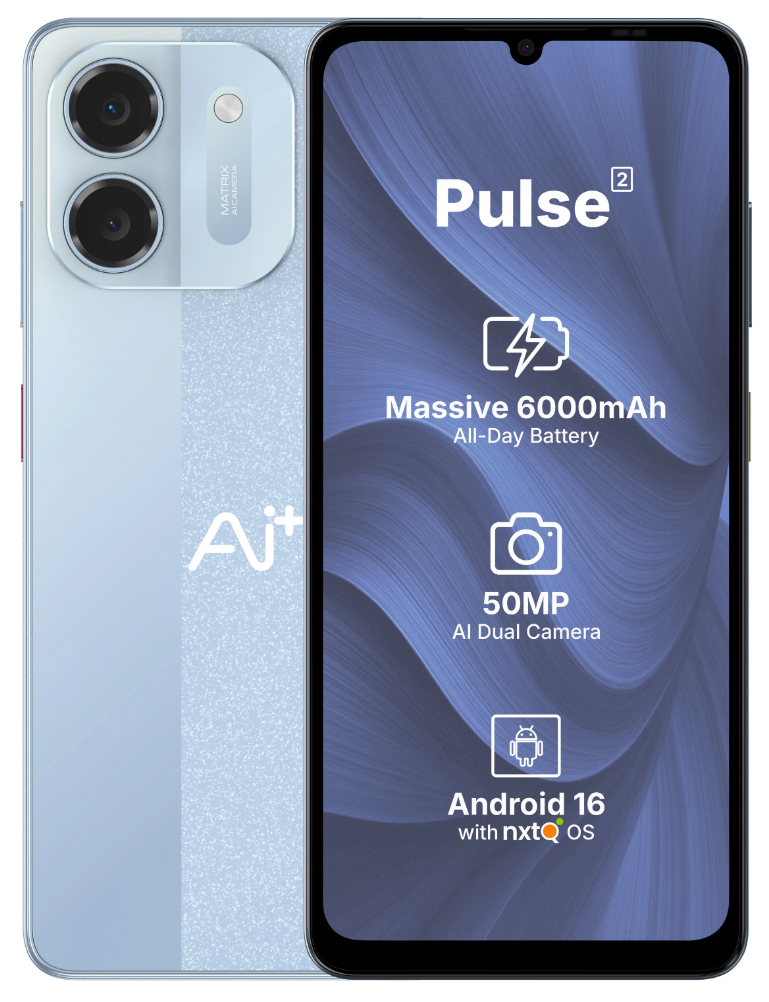
Quick comparison
| Model | Brand | Price | |
|---|---|---|---|
| Apple iPhone 16e | Apple | ₹189 | View |
| Ai+ Nova | AI Plus | ₹119 | View |
| Ai+ Pulse 2 | AI Plus | ₹89 | View |
What the Standard 1-Year Brand Warranty Covers
Every phone sold through an authorised channel in India comes with a standard brand warranty, usually one year from the invoice date. It covers manufacturing defects: a faulty display, dead motherboard, speaker or microphone failure, charging faults not caused by damage, and hardware-linked software issues. In-box accessories such as the charger and cable usually carry a shorter warranty, often six months, so check the warranty card or the brand's website for exact terms.
Most brands now use e-warranty linked to the phone's IMEI number, activated when the device is first switched on. You still need the GST invoice as proof of purchase, so keep a digital copy safe. Repairs under brand warranty are free at authorised service centres, covering both parts and labour, as long as the defect falls within the stated coverage.
What Extended Warranty Adds
An extended warranty continues the same manufacturer-defect coverage beyond the first year, typically for one or two more years. Modern phones are sealed units, and out-of-warranty repairs like a motherboard or display replacement can cost a large share of the phone's price. Extended coverage protects you from that bill in year two or three, when component failures are more likely than in the first few months.
One point trips up many buyers: a plain extended warranty covers defects, not accidents. Plans that cover a cracked screen or liquid damage are actually damage protection, an insurance product underwritten by an insurer. Many plans sold in India bundle both. Before paying the premium, confirm whether you are buying defect-only extended warranty, accidental damage insurance, or a combined plan.
Exclusions You Must Read Before Paying the Premium
Every plan document has an exclusions list, and this is where claims get rejected. Common exclusions include physical and liquid damage under defect-only plans, unauthorised repairs at local shops, rooted or flashed software, damage from third-party chargers, cosmetic wear like scratches, and loss or theft, which almost no standard plan covers. Battery degradation is usually treated as normal wear, not a defect, unless capacity drops below a threshold the brand specifies.
Also check the deductible. Many damage-protection claims require you to pay a fixed amount or a percentage of the repair cost per claim. Check the number of claims allowed per year, any depreciation applied to the device value, and whether repairs must happen only at authorised service centres.
When Extended Warranty Makes Sense
Extended warranty is most worthwhile on mid-range and flagship phones you plan to keep for three years or more, because repair costs scale with phone price while the plan premium stays a small fraction of it. If you are buying the phone on EMI over 18 or 24 months, it is sensible to keep coverage running at least as long as the payments, so you are never paying instalments on a dead phone.
It makes less sense on entry-level phones, where the premium plus deductible can approach the cost of a repair, or if you upgrade every year. If your phone is already covered under a bank card protection benefit or an insurance rider, check that first so you do not pay twice for the same coverage.
Brand-Official vs Third-Party Plans
Brand-official care plans, offered by the manufacturer itself, use authorised service centres and genuine parts, and repairs stay on the phone's official service record. They usually must be purchased within a set window after buying the phone, sometimes on the same invoice, so decide early. Pricing varies by model, so check current rates with the brand before purchase.
Third-party plans, sold by retailers, marketplaces and independent protection companies at checkout, are often cheaper and more flexible on when you can buy. Quality varies widely. Before buying, check who underwrites the insurance portion, whether repairs use genuine parts, the claim settlement turnaround, the service network in your city, and independent customer reviews about claim rejections. A cheap premium means little if the claim process is painful.
How to Claim, Step by Step
For a brand warranty claim, back up your data, find the nearest authorised service centre through the brand's website or app, and carry the phone with its invoice. The centre verifies the IMEI, inspects the device, and repairs it free if the fault is covered. If a genuine claim is rejected, escalate in writing to the brand, and remember that the Consumer Protection Act, 2019 gives you the right to approach a consumer commission.
For extended warranty or damage insurance claims, register the claim quickly through the provider's app or helpline, since most plans have a time limit after the incident. Describe the damage honestly, submit photos and the invoice, pay any deductible, and use only the repair route the plan specifies. Keep every job sheet and claim reference number until the matter is fully closed.
Quick Checklist Before You Buy
Read the full terms, not just the sales pitch. Confirm what is covered: defects only, or accidental and liquid damage too. Note the deductible, claim limits and depreciation rules. Check the purchase deadline for brand-official plans. Verify the insurer behind any third-party plan. Keep your GST invoice safe, both digital and printed. Match the coverage period to how long you will keep the phone, especially if it is on EMI. And if the exclusions swallow most of the coverage, skip the plan and keep that money aside as your own repair fund.