Is Mobile Phone Insurance Worth It in India? An Honest Buying Guide
Every phone counter in India now pushes a device protection plan at checkout, but is mobile insurance actually worth the premium? Here is an honest breakdown of what coverage includes, what it excludes, how claims really work, and the simple math to decide for your phone.
Top picks
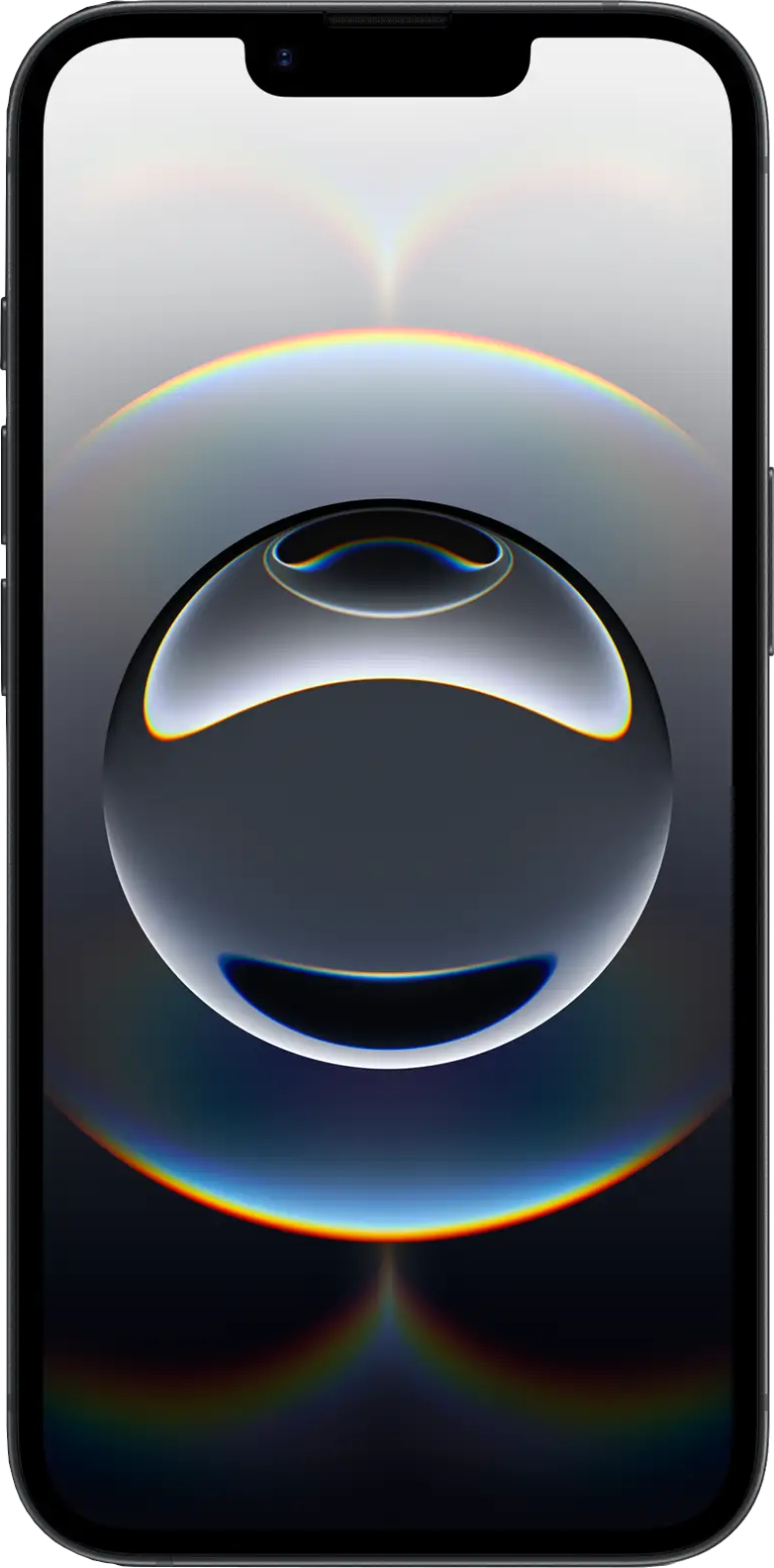
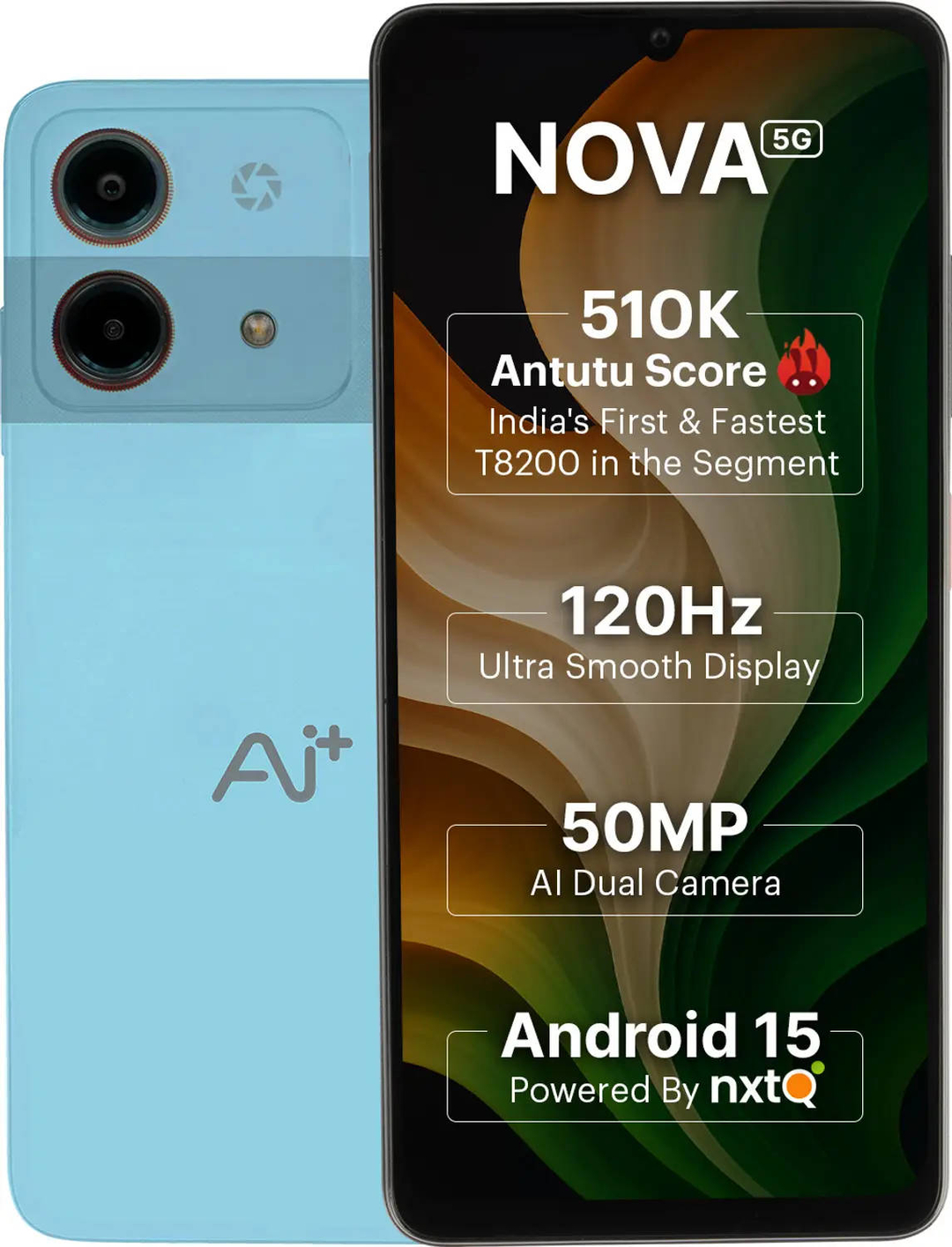
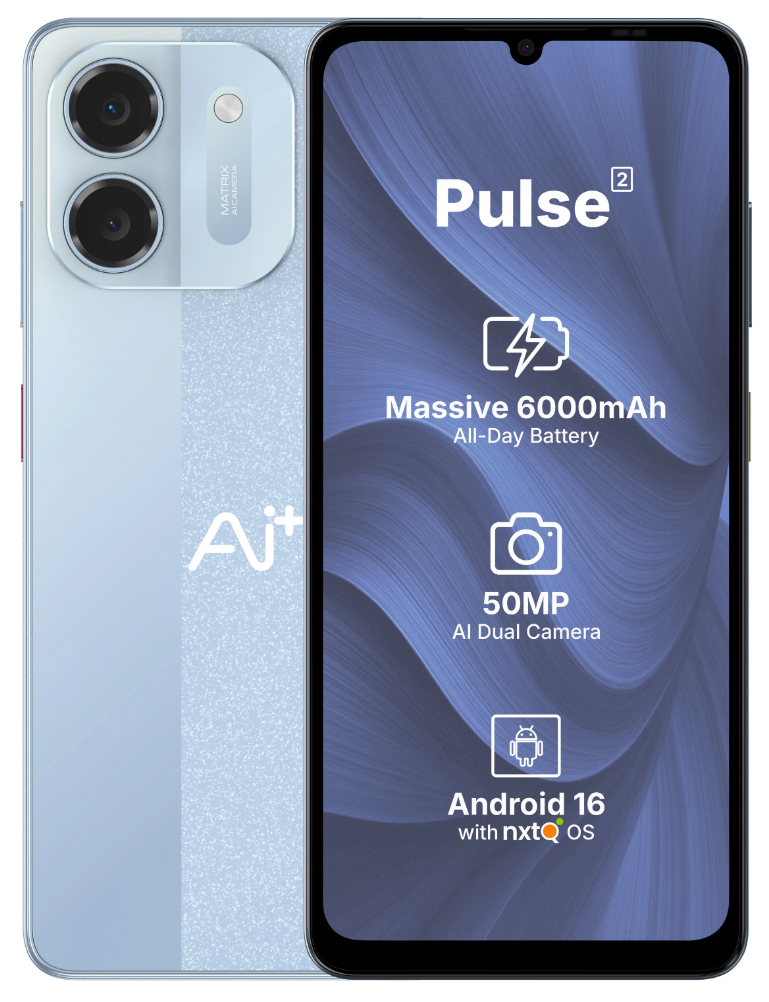
Quick comparison
| Model | Brand | Price | |
|---|---|---|---|
| Apple iPhone 16e | Apple | ₹189 | View |
| Ai+ Nova | AI Plus | ₹119 | View |
| Ai+ Pulse 2 | AI Plus | ₹89 | View |
Why This Question Matters in 2026
A good smartphone in India now costs as much as a laptop. Flagships cross one lakh rupees, and even mid-range phones sit in the twenty to forty thousand band. Repair bills have climbed too: a broken display or back glass on a premium phone can eat a big slice of what you paid for the device. So the insurance question comes up at almost every phone counter, usually at the exact moment you are paying. This guide covers what device insurance includes, what it excludes, how claims work, and the simple math that tells you whether the premium is worth it.
What Mobile Insurance Usually Covers
Most device protection plans in India cover accidental damage, which means cracked screens, broken bodies, and drop damage. Many also cover liquid damage, something the standard manufacturer warranty almost never includes. Some plans add theft cover, and a few bundle an extended warranty that protects against hardware faults after the brand's one-year warranty ends.
Coverage differs a lot between plans, even from the same seller. The brochure says full protection, but the policy document decides your claim. Always read what is written, not what the salesperson tells you.
What It Usually Does Not Cover
The exclusion list is where most claim disputes are born. Common exclusions include losing or misplacing the phone (theft may be covered, but forgetting it in an auto is not), cosmetic scratches that do not affect function, damage the insurer calls negligence, repairs done at unauthorised shops, software problems, and accessories like chargers and earphones.
Two more traps deserve attention. Depreciation: many plans cut the payout by a percentage for every month of use, so a claim in month ten pays far less than one in month two. Claim limits: most plans allow only one or two claims a year, and some end after a successful claim.
How a Typical Claim Works
The process is broadly similar across providers. You report the damage within a fixed window, often twenty-four to forty-eight hours. For theft, you file an FIR at the police station and submit a copy. You then share the purchase invoice, photos of the damage, and identity proof. Once the claim is approved, you either send the phone to an authorised repair centre or pay for the repair first and get reimbursed.
Almost every plan charges a deductible, also called excess — a fixed amount or a percentage you pay from your own pocket on each claim. A plan with a low premium and a high deductible can be worse than the reverse. Also ask about turnaround time; a repair that takes three weeks is a real cost if the phone runs your work.
The Premium vs Phone Value Math
Here is the honest calculation. Take the yearly premium, add the deductible you would pay on a claim, and compare the total with the realistic repair cost for your phone — usually the screen, since that is the most common damage. If premium plus deductible comes close to the repair bill, the cover adds very little. If the repair bill is several times that total, the cover starts to make sense.
As a broad pattern, protection plans cost a small percentage of the phone's price per year, but premiums vary by model, plan type, and provider, so always check current pricing with the provider before deciding.
Insurer Plans vs Brand Plans vs Credit Card Cover
You have three broad routes. Standalone insurance and retailer protection plans sometimes offer the widest coverage, including theft, but claim experience varies widely between companies, so read recent customer reviews about claims, not just pricing. Brand care plans from the phone manufacturer usually cover accidental and liquid damage with repairs at authorised service centres using genuine parts, which keeps your warranty intact, though theft is rarely included.
The third route is often forgotten. Many credit cards include purchase protection or screen damage benefits on phones bought with the card, and some EMI offers bundle insurance automatically at checkout. Check your card's benefit sheet before paying for a separate plan, and read your bill carefully so you do not pay twice for the same coverage.
When You Can Skip It
Skip insurance if the phone is affordable enough that a repair or replacement will not hurt badly — on budget phones, two years of premiums plus deductibles can approach the phone's resale value. Skip it if your credit card already gives similar cover, or if the plan's exclusions remove the exact risks you worry about. And skip any plan pushed on you at the billing counter without time to read it; most good plans can still be bought within a few days of purchase.
On the other hand, insurance earns its premium when the phone is expensive, spare parts are costly, your usage is rough or travel-heavy, and the provider has a decent claim reputation.
Quick Checklist Before You Buy
Confirm in writing what is covered: accidental, liquid, theft, extended warranty.
Ask the deductible amount and how depreciation reduces the payout.
Check how many claims are allowed per year.
Note the reporting window and the documents needed for a claim.
Compare the total yearly cost against your phone's screen repair price.
Check your credit card benefits before buying separate cover.
Read recent claim reviews of the provider, not just the price.
Keep the invoice, IMEI number, and policy document safely backed up.