No-Cost EMI on Phones: How It Really Works and the Hidden Charges to Check
No-cost EMI has become the default way Indians buy phones online and in stores, and on the surface it looks like free money. In reality, most "no-cost" plans carry small charges that never appear on the big banner: a processing fee, GST on the interest, and sometimes a quietly higher price. This guide explains how the scheme actually works, compares credit card, debit card and cardless EMI, covers the credit score angle, and tells you exactly when no-cost EMI is genuinely free and when cash on delivery is the smarter move.
Top picks
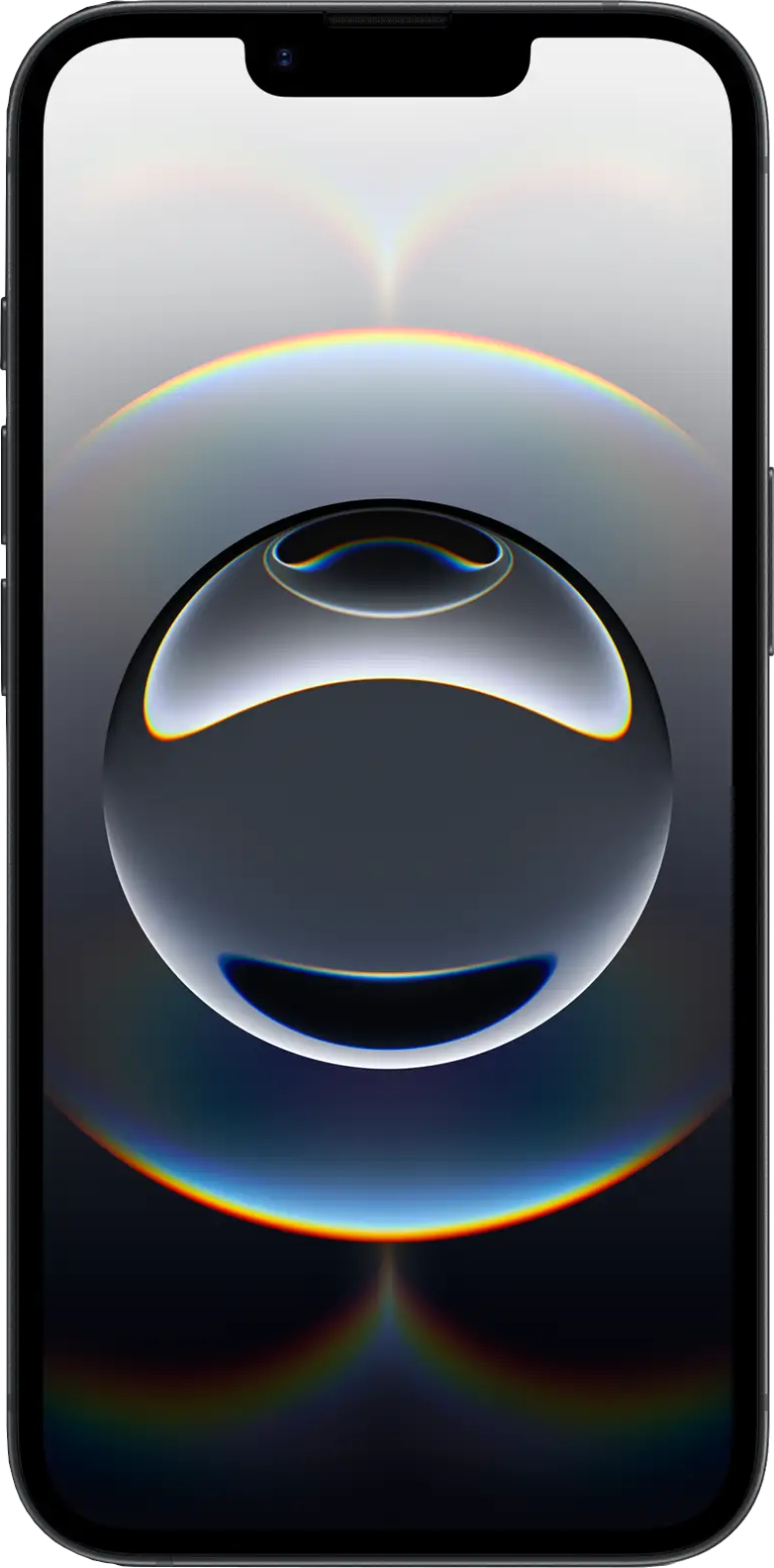
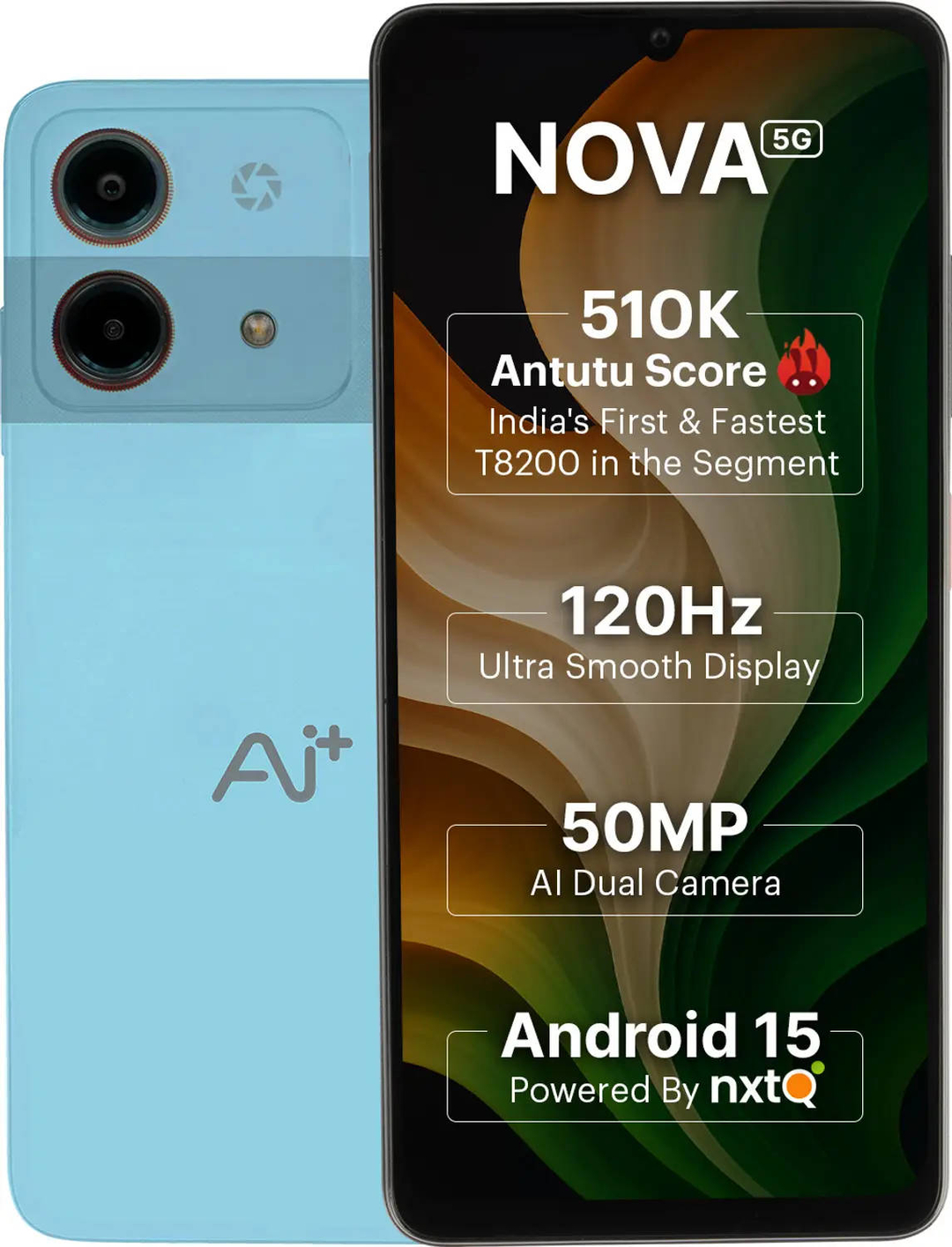
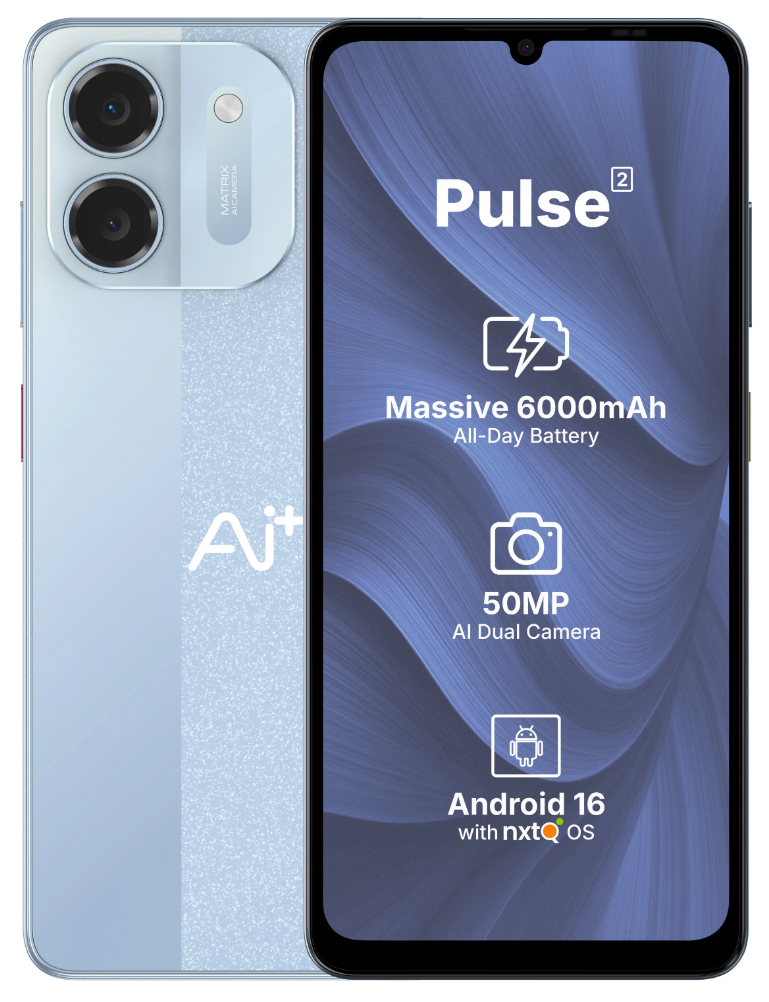
Quick comparison
| Model | Brand | Price | |
|---|---|---|---|
| Apple iPhone 16e | Apple | ₹189 | View |
| Ai+ Nova | AI Plus | ₹119 | View |
| Ai+ Pulse 2 | AI Plus | ₹89 | View |
What No-Cost EMI Really Means
No-cost EMI does not mean the bank lends you money for free. In most schemes the bank charges its normal interest on the EMI, and the seller gives you an upfront discount equal to that interest. Your monthly instalments then add up to the phone's sticker price, so it feels free. The catch is that this discount covers only the interest itself. Anything outside that neat equation, and there are three such things, comes out of your pocket.
Hidden Cost 1: The Processing Fee
Most banks charge a one-time processing fee to convert your purchase into an EMI plan. It is usually a small fixed amount plus GST, and it often appears in your first card statement rather than on the checkout screen. On an affordable phone, this fee alone can add a percent or two to your real cost. Fees differ by bank, card type and tenure, and some are waived during sale events, so always check the exact figure with your bank or on the payment page before you confirm.
Hidden Cost 2: EMI Price vs One-Time Price
The second cost hides in the price itself. The same phone is often cheaper if you pay in one shot, because instant discounts, coupon codes or exchange bonuses sometimes do not combine with EMI offers. In some cases the listed EMI price is simply higher than the best cash price at another store. Before choosing no-cost EMI, note the lowest one-time price you can find for that exact model and compare it with the total you will pay across all instalments, including every fee. Also watch the add-ons: an extended warranty or damage-protection plan pushed at checkout gets financed inside your EMI too, and its premium quietly raises every instalment.
Hidden Cost 3: GST on the Interest
Here is the part almost nobody reads. The seller's discount covers the interest, but GST is charged on that interest component every month, and the tax is billed to you, not to the seller. Financial services currently attract 18 percent GST in India; confirm the latest rate with your bank. On a typical phone EMI this may be only a small amount per month, but it means a "no-cost" plan is mathematically almost never zero-cost on a credit card.
Credit Card, Debit Card or Cardless EMI?
Credit card EMI is the most common route: conversion is instant, but the full phone price blocks your credit limit until the plan ends, and closing the plan early usually attracts foreclosure charges. Debit card EMI is offered only to pre-approved customers; it is actually a small loan linked to your bank account, so check your eligibility by SMS or net banking and ask about the processing fee. Cardless EMI comes from consumer-finance companies and fintech apps, needs KYC with your PAN, and often asks for a down payment. It creates a fresh consumer loan in your name, which matters for the next section.
What It Does to Your Credit Score
Any EMI is credit, and the credit bureaus are watching. A card EMI raises your credit utilisation because the blocked limit counts against you. A cardless or debit card EMI usually triggers a hard enquiry and adds a new loan account, which can dip your score by a few points at first. Paid on time, a phone EMI can actually build a healthy credit history for a first-time borrower. Miss even one instalment, though, and you face late fees, reversal of the interest discount, and a mark on your report that lenders see for years. Set up auto-debit and keep the account funded.
When No-Cost EMI Is Genuinely Free
No-cost EMI is genuinely worth it when four things line up: the processing fee is zero or waived, the EMI total matches the best one-time price you found anywhere, the monthly GST on interest is small enough for you to accept, and you are certain every instalment will be paid on time. Some brand-subsidised schemes where the manufacturer bears the full cost can come very close to truly free. In that case, keeping your savings in your own account while paying in parts is a perfectly rational choice, not a trap.
COD: The Zero-Cost Alternative
If the numbers do not line up, cash on delivery or full online payment remains the only guaranteed zero-cost route. You pay exactly the listed price, with no processing fee, no GST on interest, no blocked credit limit, and no risk to your credit score. Paying in full also keeps you free to claim card-specific instant discounts that EMI plans sometimes exclude. The trade-off is simple: EMI protects your monthly cash flow, COD protects your total cost. Decide which one your budget actually needs.
Quick Checklist Before You Buy on No-Cost EMI
Run through this in two minutes at checkout. One, note the best one-time price for the phone across stores. Two, ask the bank or check the payment page for the processing fee and the GST on interest for your tenure. Three, confirm the EMI total, including all charges, is not higher than that one-time price. Four, check the foreclosure charges in case you want to close the plan early. Five, if the store bundles insurance or an extended warranty, read the coverage, the premium and the deductible before agreeing, and ask how a claim is actually filed. Six, set up auto-debit so no instalment ever bounces. If everything clears, enjoy the EMI; if not, COD is waiting.