Phone Screen Damage Protection in India: Costs, Plans and Claims Explained
A cracked screen is the most common and often the most expensive repair an Indian phone user ever faces. This guide breaks down realistic replacement costs by segment, compares tempered glass, screen protection plans, ADLD cover and mobile insurance, explains how claims work, and helps you decide what is actually worth paying for.
Top picks
Quick comparison
| Model | Brand | Price | |
|---|---|---|---|
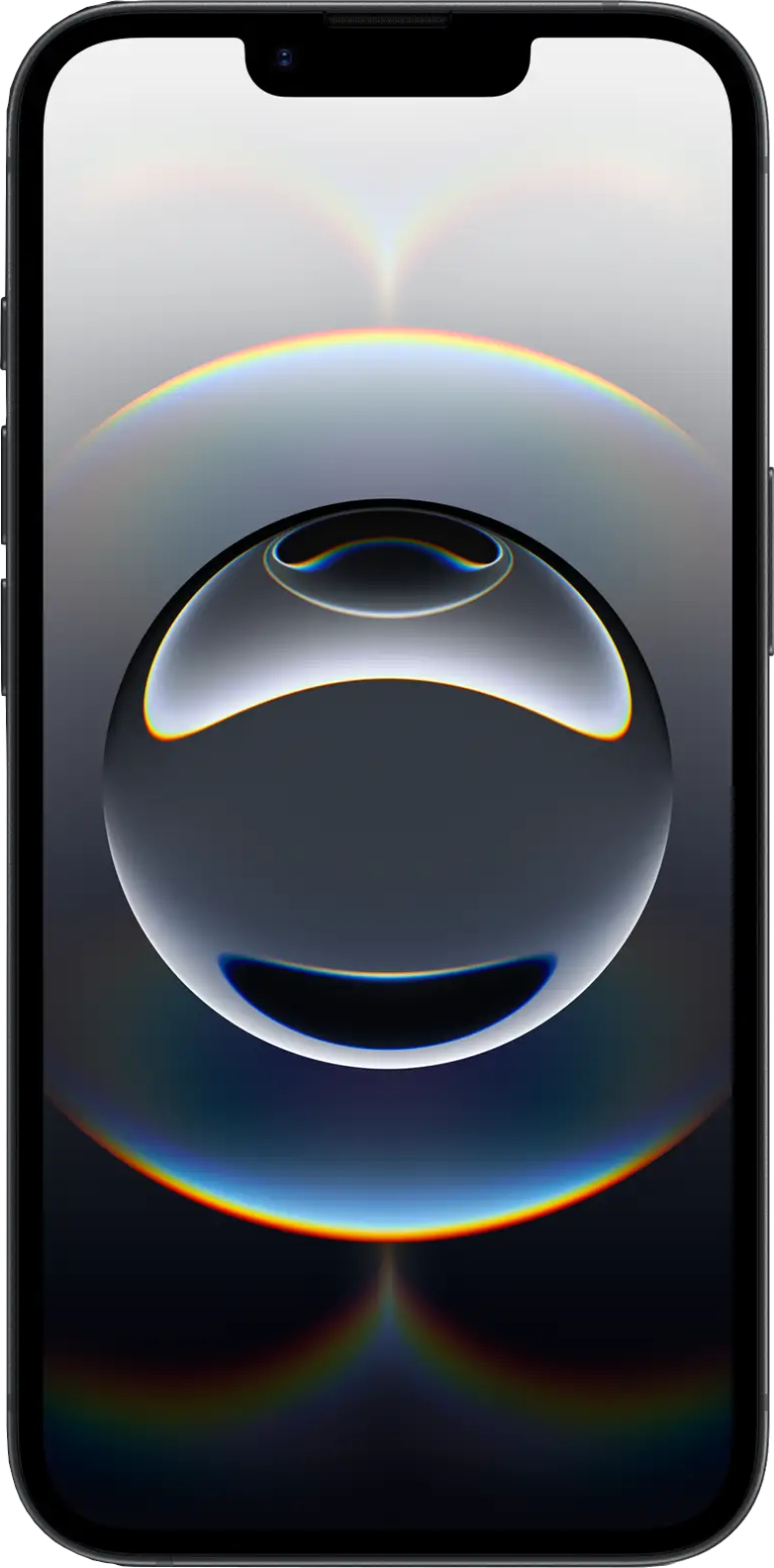
| Apple iPhone 16e | Apple | ₹189 | View |
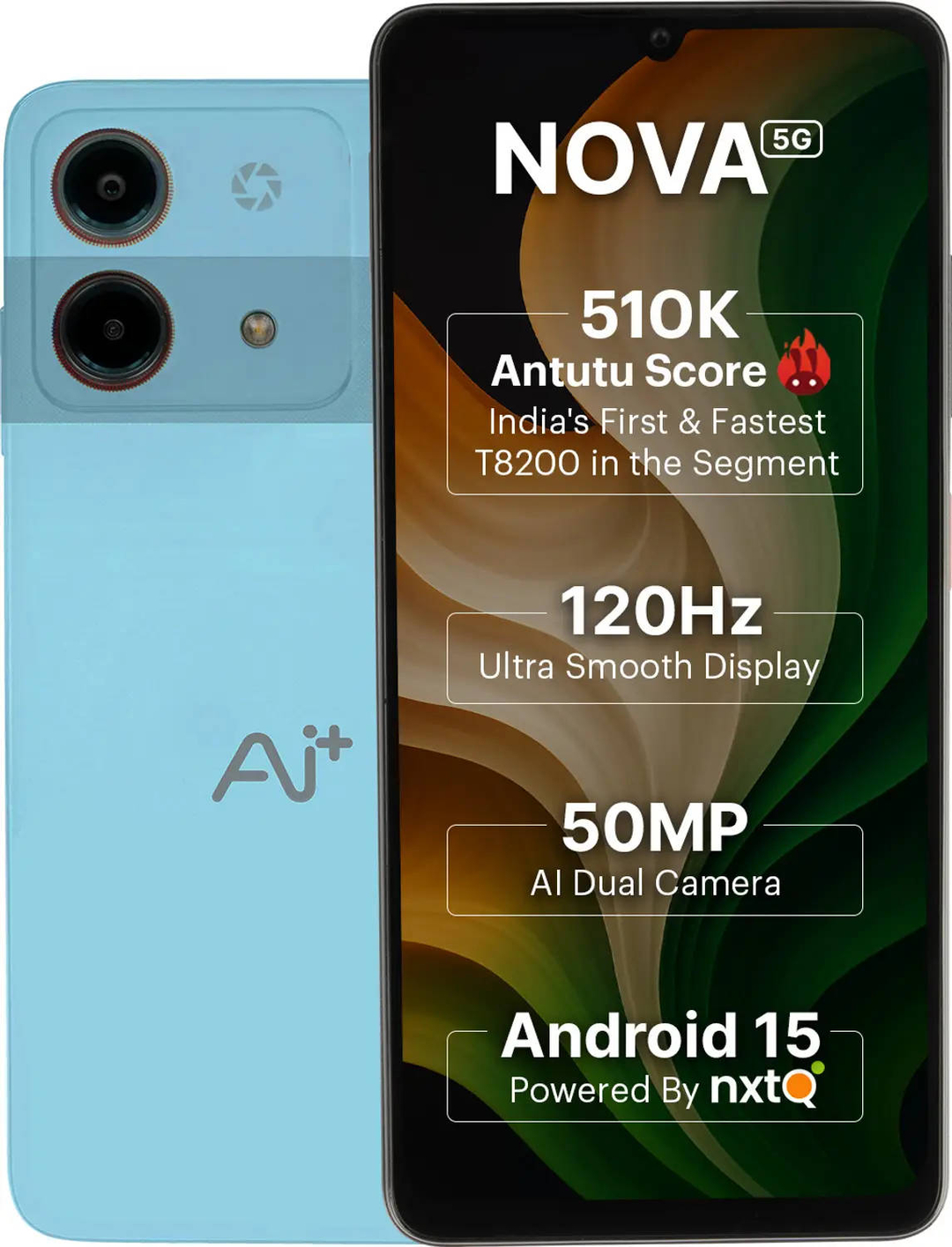
| Ai+ Nova | AI Plus | ₹119 | View |
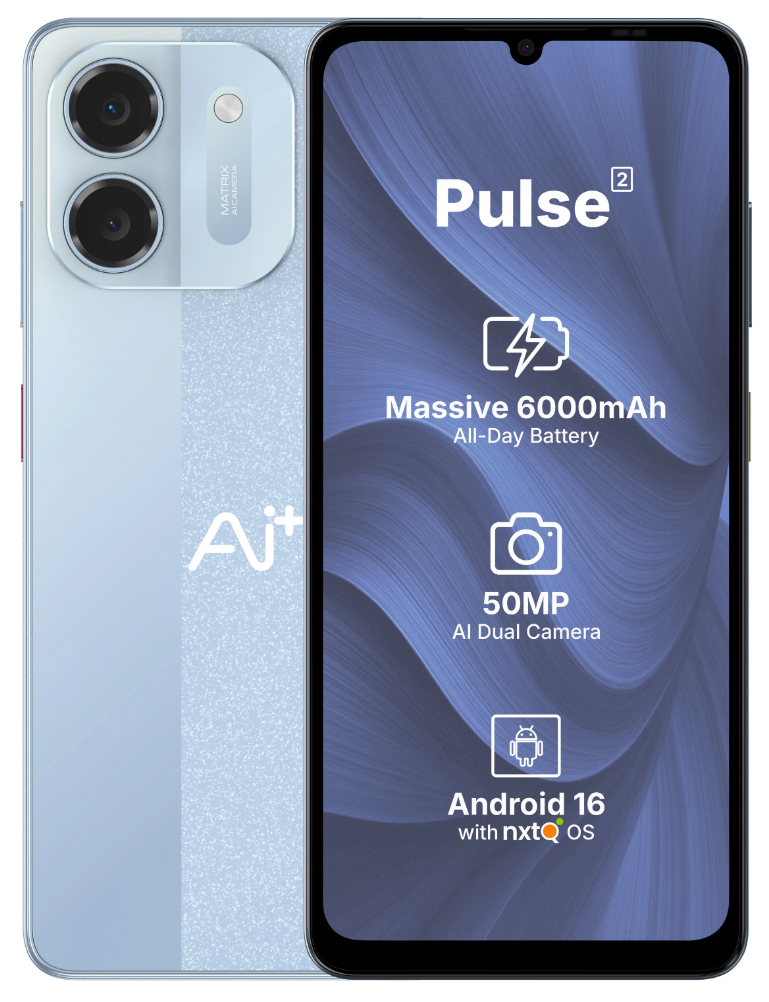
| Ai+ Pulse 2 | AI Plus | ₹89 | View |
Why Cracked Screens Deserve a Plan
Ask any mobile repair shop in India which job they see most, and the answer is almost always a cracked screen. Modern phones have edge-to-edge displays, thin frames and glass backs that look premium but do not forgive falls. The display is usually the most expensive single part of the phone, so one slip from your pocket, bed or bike holder can cost a big share of what you paid for the device. The best time to decide on screen protection is the day you buy the phone, not the day after the accident.
What Screen Replacement Actually Costs in India
Exact prices vary by brand, model and city, so always confirm with an authorised service centre before assuming anything. Broadly, the picture in 2026 looks like this. On budget phones (roughly under Rs 15,000), an official screen replacement generally lands between Rs 1,500 and Rs 4,000. On mid-range phones (roughly Rs 15,000 to Rs 40,000), AMOLED panels push the bill to around Rs 4,000 to Rs 12,000. On flagships, a display assembly with the frame and fingerprint sensor can run from Rs 15,000 to Rs 35,000 or more, and folding phones sit even higher. In short, the screen alone can easily cost a third or more of the phone's current value.
Local repair shops charge less, but there are trade-offs: non-original panels with weaker touch response and colours, no guarantee on the repair, and the risk that opening the phone outside the authorised network affects your remaining brand warranty.
Tempered Glass and Cases: Cheap but Limited
A good tempered glass and a shock-absorbing case are your first line of defence, and every phone should have both from day one. They cost very little and involve no premium, no claim forms and no waiting. But they only reduce risk. A corner drop on concrete can still shatter the display under a perfectly intact protector. Think of tempered glass as a helmet, not as insurance.
Screen Protection Plan vs ADLD vs Full Insurance
These three get mixed up at billing counters, so know the difference. A screen protection plan covers only the display against accidental cracks; because coverage is narrow, the premium is usually the lowest of the three. An ADLD plan (accidental damage and liquid damage) covers the whole phone against drops and water, including back glass and liquid damage to internal parts, at a higher price. Full mobile insurance from an insurance provider can go further, sometimes adding theft cover, but policy wording differs widely, so read the terms carefully. One common confusion: an extended warranty is none of these. It only extends coverage for manufacturing defects after the brand warranty ends and will not pay for a cracked screen. Stores often bundle these plans into your EMI at checkout, so be sure exactly which type you are buying.
The Fine Print That Decides Everything
Before paying any premium, check five things. The deductible: the fixed amount or percentage you pay from your own pocket on every claim. The claim limit: how many claims are allowed during the plan period. The parts and network: whether repairs use genuine parts at authorised service centres. The purchase window: many plans must be bought on the day of purchase or within a few days after it. And the service model: doorstep repair, pickup and drop, or walk-in only. Terms vary from provider to provider, so check with the provider directly instead of relying on the salesperson's summary.
How a Screen Damage Claim Usually Works
Most plans follow a similar claim process. Report the damage quickly, since many providers expect intimation within a short window, often one to three days. Raise the claim through the app or helpline, keeping your invoice and plan document ready. Upload photos of the damage and any details asked for. Wait for claim approval before doing anything else; getting the phone repaired at a local shop before approval is one of the most common reasons claims get rejected. Once approved, hand over the device for pickup or at the designated service centre, pay the deductible if applicable, and collect the repaired phone.
Is a Screen Protection Plan Worth It?
Do simple math. Add the plan price and the deductible, and compare that total with the realistic replacement cost for your segment. For a budget phone, the total can come uncomfortably close to the phone's own value, so a good case, tempered glass and a small self-repair fund often make more sense. For mid-range and flagship phones, where a display bill runs into five figures, a one-time plan cost is much easier to justify, especially if the phone is on EMI, because nobody wants to keep paying instalments on a phone with a shattered screen. Your lifestyle matters too: young kids at home, field or delivery work, or a history of drops all tilt the answer towards yes.
Quick Checklist Before You Decide
- Find out your exact model's official screen replacement cost first; it anchors every other decision.
- If the price gap between a screen-only plan and ADLD is small, prefer ADLD for wider coverage.
- Get the deductible, claim limit and coverage period confirmed in writing.
- Buy the plan within the eligible window, usually at or just after purchase.
- Save the invoice and plan documents safely; every claim will ask for them.
- Report damage immediately and never repair the phone before claim approval.
- Whatever you choose, fit a case and tempered glass from day one.