Phone Fell in Water? Exactly What to Do (and Never Do) in the First 10 Minutes
A dropped phone in a bucket, a splash in the monsoon, or a dunk in the washing machine — it happens to almost everyone. What you do in the first 10 minutes decides whether your phone survives, whether your insurance claim goes through, and whether your data can be saved. Here is a clear, no-panic guide for Indian phone users.
Top picks
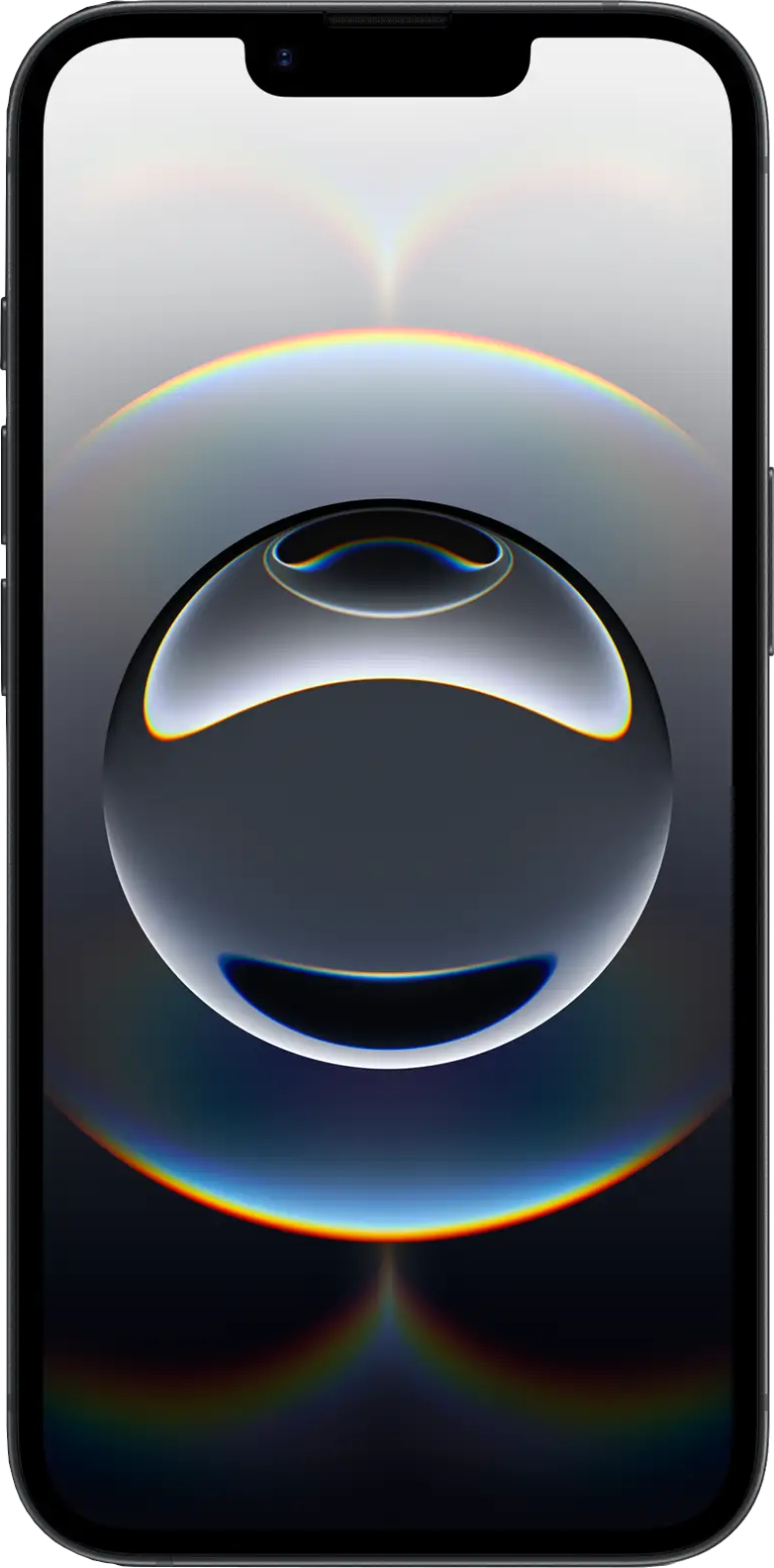
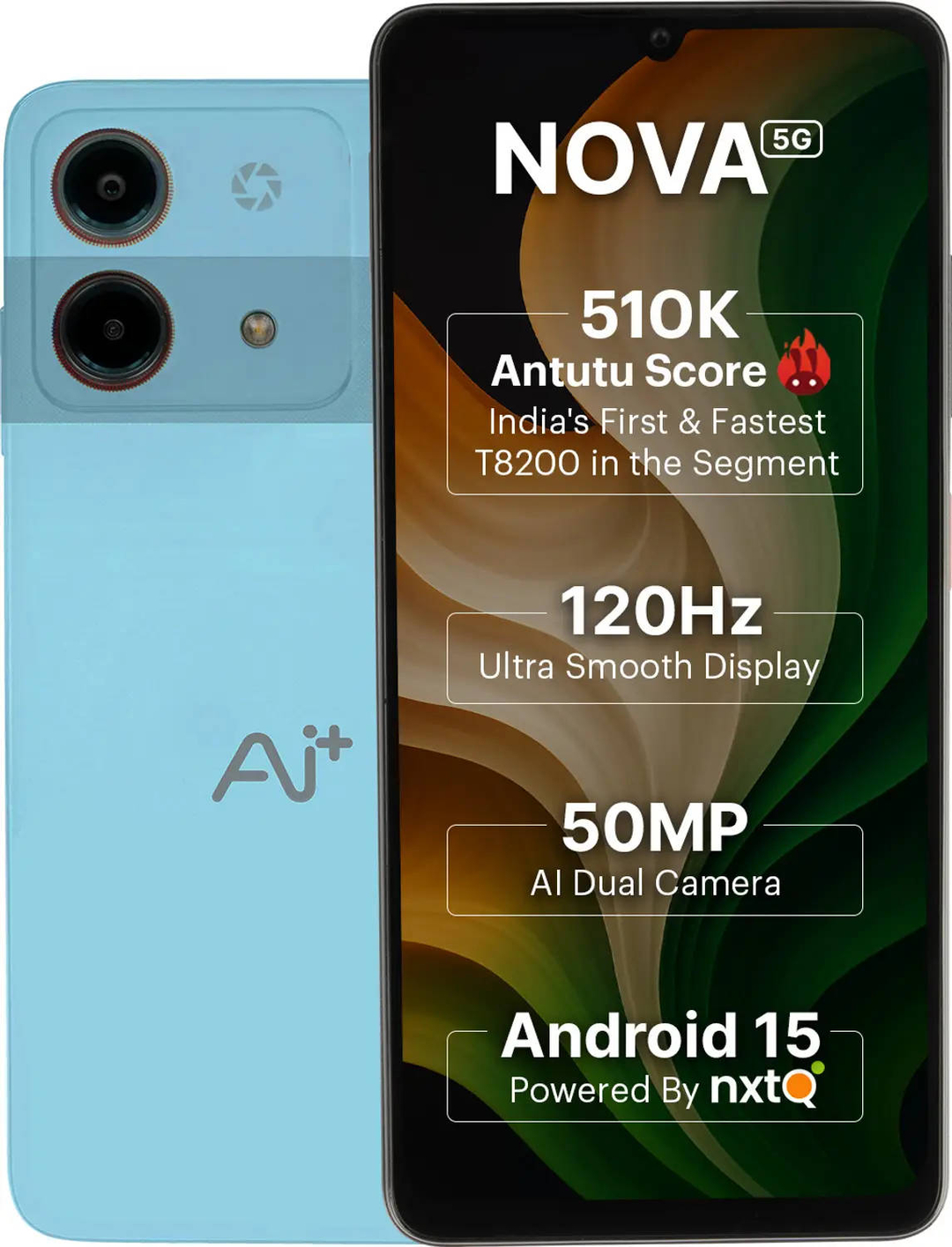
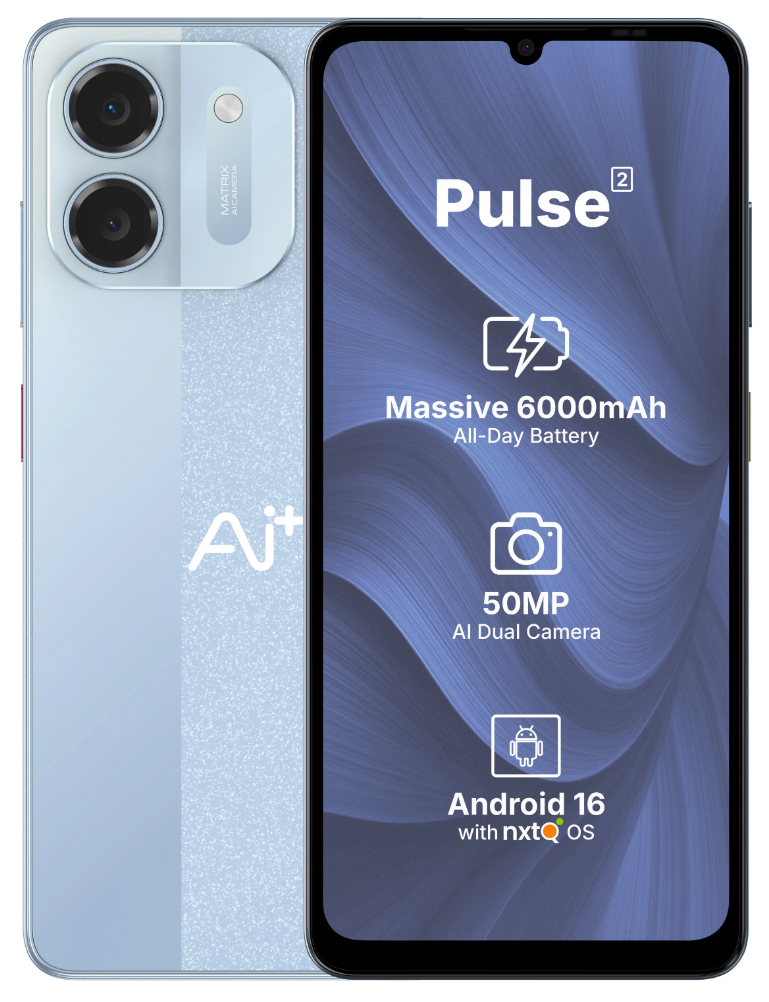
Quick comparison
| Model | Brand | Price | |
|---|---|---|---|
| Apple iPhone 16e | Apple | ₹189 | View |
| Ai+ Nova | AI Plus | ₹119 | View |
| Ai+ Pulse 2 | AI Plus | ₹89 | View |
The First 10 Minutes: Act Fast, Stay Calm
Pull the phone out of the water immediately. Every extra second lets more water reach the internals. Switch it off right away, even if it looks fine, because electricity plus water is what actually kills a phone, not the water alone.
Remove the case, the SIM tray and the memory card if your phone has one. These openings trap water. Wipe the phone with a clean, dry cloth and hold it with the charging port facing down so gravity helps the water drain out.
Tap it gently against your palm, port side down, then leave it in a dry, airy spot. If it fell in salt water, a sugary drink or monsoon drain water, the risk is much higher because salt and sugar corrode circuits fast, so treat professional cleaning as urgent, not optional.
What You Should Never Do
Never put the phone on charge to check if it still works. Charging a wet phone can short the board permanently and is also a safety risk. Do not press the power button repeatedly, do not plug in earphones, and do not blast it with a hair dryer, because hot air pushes moisture deeper inside and damages seals and screen adhesive.
Avoid shaking the phone violently, and avoid poking cotton buds or tissue into the charging port. All of these push water further in instead of getting it out.
IP67 and IP68: What the Ratings Actually Promise
IP67 means the phone is dust-tight and survived immersion in about one metre of fresh water for up to 30 minutes in lab conditions. IP68 means deeper protection, usually 1.5 metres or more for 30 minutes, with the exact depth defined by each manufacturer.
The fine print matters. These tests use clean, still water at controlled temperatures. Swimming pools, sea water, hot chai and cold drinks are not part of the test. Seals also weaken with age, heat and drops, so a two-year-old IP68 phone is less protected than it was on day one. Most importantly, an IP rating is not a warranty promise; brands generally still exclude liquid damage from warranty coverage, even on flagship phones.
Does Warranty or Insurance Cover Liquid Damage?
In India, the standard manufacturer warranty almost never covers liquid damage. Service centres check the liquid damage indicator, a small sticker inside the phone that changes colour on contact with water, and once it has triggered, a free warranty repair is usually refused.
This is where mobile insurance or an accidental and liquid damage protection plan earns its premium. Many plans sold along with new phones, and some standalone policies, do cover water damage, but coverage terms differ widely. Check the deductible you must pay per claim, the claim window, which is often 24 to 48 hours from the incident, the documents required, and whether the repair must happen at an authorised service centre. Always confirm the exact terms with the provider before you depend on them.
Repair or Replace: How to Decide
Start with a proper diagnosis at an authorised service centre or a trusted repair shop. If only the screen, battery or charging port is affected, repair usually makes sense. If the motherboard is corroded, the estimate can climb close to the price of a new phone.
A simple rule: if the repair quote crosses roughly half the current market value of your phone, replacement is usually the smarter spend, especially for phones older than three years. If you are still paying EMI on the damaged phone, factor that in too. An approved insurance claim, minus the deductible, may cover most of a repair, while a dead phone with no coverage means paying EMI on something you cannot use.
The Rice Myth and Other Drying Mistakes
Putting a wet phone in rice is the most famous fix and one of the least effective. Rice cannot pull moisture out of sealed internals, and starch dust can enter the ports and create new problems. Direct sunlight and room heaters are equally risky because heat damages the battery and display.
What actually helps: silica gel packets in a closed box, good airflow at room temperature, and patience for 24 to 48 hours. After a serious dunk, professional internal cleaning is the only thing that truly stops corrosion, because a phone can work fine for weeks and then die quietly as corrosion spreads.
Data Recovery Basics
If the phone will not switch on, stop trying, because every attempt risks a short circuit that can make data recovery impossible. Your photos, chats and documents may still be intact on the storage chip, and professional data recovery labs in most Indian metros can often retrieve them, though costs vary and success is never guaranteed.
The cheaper answer is prevention. Keep automatic backups switched on for your Google or Apple account, and back up WhatsApp regularly. A backup costs almost nothing; chip-level recovery does not.
Quick Checklist
Take it out, switch it off, remove the SIM tray and case.
Wipe it dry and keep the port facing down; no shaking, no charging.
No rice, no hair dryer, no sunlight; use silica gel and airflow instead.
Salt water or a sugary drink means professional cleaning, fast.
Warranty rarely covers liquid damage; check your insurance coverage, deductible and claim window.
Report an insurance claim quickly, usually within 24 to 48 hours.
If the repair quote is above half the phone's value, consider replacing.
Turn on automatic backups today, so water can never take your data.